The Power of Luxury
The top 100 luxury companies generated $281 billion in revenue in 2019 and experienced an 8.5% growth overall. The 2020 annual Deloitte Global Powers of Luxury Goods report showed a concentration of power in the luxury sector. The report reveals that the top 10 companies remained unchanged for the third consecutive year and with a combined turnover of $144 billion, accounted for 50% of all revenues generated by the leading 100 companies. The net profits of 9 of the 10 companies that release their figures made up 71.7% of the total profits of the top 100.
The 6 Leaders in Luxury
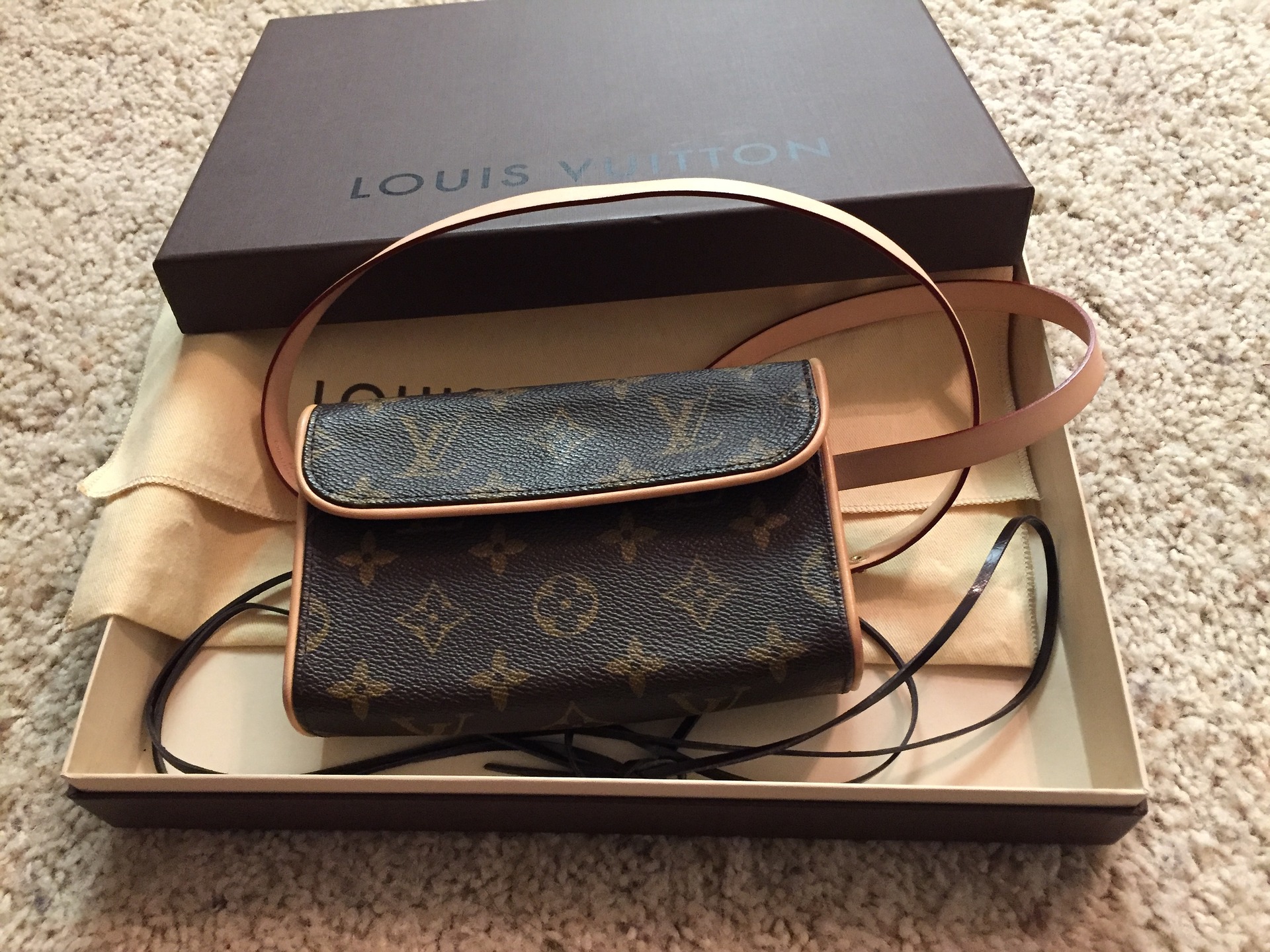
These are the behemoths of luxury:
- LVMH – turnover $37.5 billion
- Kering – turnover $17.8 billion
- Estée Lauder – turnover $14.9 billion
- Richemont
- L’Oréal Luxe
- Chanel
LVMH, Kering and Estée Lauder accounted for a quarter of all sales last year.
The Power of Money
The downside for small brands is that these dominant companies can afford to occupy premium retail sites and are often vertically integrated into the supply chain. Moreover, they have colossal marketing budgets, making it harder for smaller independent brands to shine through. In 2019, LVMH spent $7.5 billion on advertising and promotion.
Raising Prices Doesn’t Guarantee Sales
These powerhouse brands increase prices at will, assuming that loyal customers will pay anything for a piece of their luxury. Chanel, for example, has raised its prices twice this year. The good news for smaller brands is that many wealthy shoppers are now looking beyond the predictable look of LVMH or Chanel leatherware, as an example. The successes of Goyard and Delvaux in recent times exemplifies this market trend.
The Impact of COVID-19
The coronavirus pandemic has meant that luxury has lost its key marketing channel with the cancellation of runway shows and major events. Caught between a rock and a hard place, brands have responded by hosting virtual catwalks and are almost wholly reliant on digital promotion. This new way of working gives smaller brands more leverage since showing themselves in a virtual environment is affordable and targets a significantly larger audience.
Limited Drops Means Exclusivity
Compared to giant luxury conglomerates, smaller labels have agility on their side. Streetwear favourite Supreme has weekly limited drops of product at its 11 global stores, where demand always outstrips availability. As such, the brand has placed itself on a platform of enviable exclusivity. Supreme’s strategy has been copied by larger brands that have not demonstrated the same level of success.
The X Factor
The likes of LVMH, Kering and Estée Lauder have a seemingly bottomless pit of money, frontrunning marketing, and a robust supply chain. But the operation of these conglomerates can be unwieldy and they don’t have the flexibility of smaller brands that can produce limited quantities almost on demand. Small brands have the X factor of distinctiveness and individuality that gives them the advantage over their larger counterparts. Their product runs might be small, but it’s unlikely that you would see other people wearing or carrying the same item.