Why Did Burberry’s Shares Crash?
Burberry endeavours to be true luxury. But in this panic-stricken year of the coronavirus pandemic, the LVMH share price has rocketed 18%. On the other hand, that of British brand Burberry crashed from £22.24 to £17.92, a noteworthy decrease of 19%. Some say that LVMH has the upper hand as it has a diversified brand portfolio of luxury products whereas Burberry is stuck with its own brand. Moreover, Brexit may have contributed in part to the fall in the Burberry share price. In all likelihood, this was factored into the price at the start of the year. Will Burberry ever be true luxury?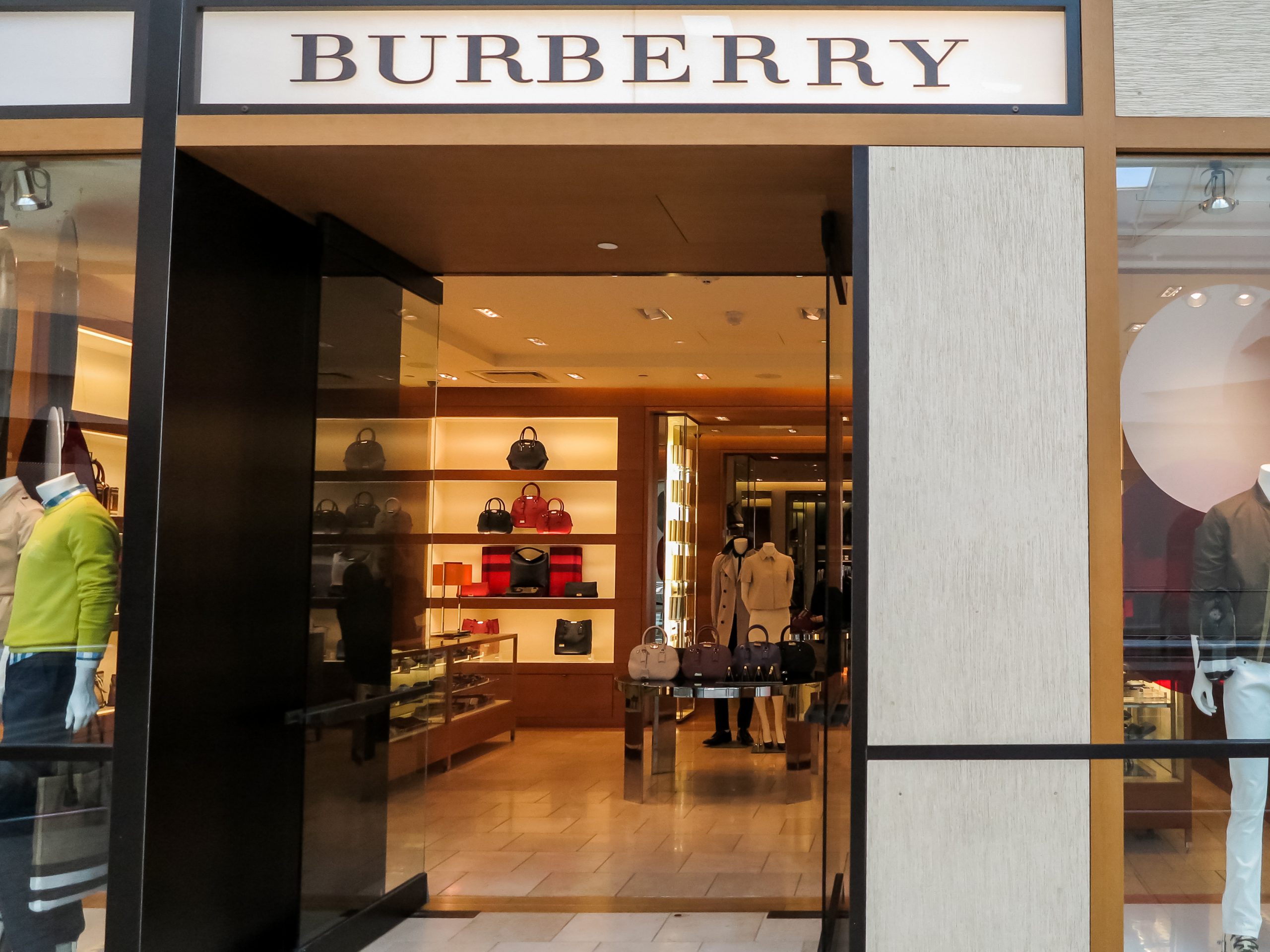
The Hermes share price has risen 23% this year and it is a standalone brand. Kering’s share price has been stable and Chanel is privately held so its shares are not traded. All brands are now scrambling to be more sustainable so that is not a justification to explain the decline in the Burberry share value.
Vertical Integration
All these top luxury brands are vertically integrated. They are constantly purchasing tanneries or factories in their supply chains to secure supply. Burberry has been moving in the opposite direction.
Foolish Mistakes
Under the previous Burberry management of the likes of Angela Ahrendts, Christopher Bailey, and John Peace, the brand closed its own polo shirt factory in Wales despite an outcry and the closure having little cost-benefit. Perhaps Burberry’s two trench coat factories in Leeds could have been closed for cost reasons as labour is far cheaper in Italy. However, after the backlash the brand received from the Welsh disaster, Burberry was probably reluctant to garner more bad press.
Lost Opportunity 1
In 2012, Barry, a Dawson-owned Scottish cashmere factory, went into liquidation. It was Chanel, a large Barry customer, that came to the rescue, not Burberry. A lost opportunity for the brand that would have ensured that more manufacturing was on home soil. Is Burberry true luxury?
Lost Opportunity 2
In 2020, Mulberry announced it was closing one of its leather bags factories in Somerset with the loss of 135 jobs. Buying the factory would surely have been a bargain for Burberry, but the brand showed no interest. Admittedly, Burberry would have existing contracts with some Italian and Chinese factories, but these could have been phased out and replaced with the employment of these highly skilled British workers. Burberry CEO, Marco Gobbetti, an Italian, may not have liked the idea of relocating manufacturing back to the UK, but what of the brand’s Chairman, Gerry Murphy? Murphy had no experience in fashion prior to joining Burberry in July 2018 so perhaps was unaware of the upside of this venture. Again, is Burberry true luxury?
The Benefit of Onshoring?
Onshoring, the practice of transferring a business operation from overseas to back home, is becoming increasingly popular, but what about Brexit and the possible imposition of tariffs? The same applies to Burberry’s Leeds factories.
Customers Prefer Local Manufacture
Burberry’s attempt to peddle itself to an upmarket clientele appears to rely on Tisci’s designs, having limited product drops accompanied by a great deal of marketing. Yet the brand fails to address what many customers look for – where these products are made. Yes, its cashmere scarfs are made in Scotland by Johnstons of Elgin. That only accounts for a fraction of Burberry’s £2.6 billion turnover.
Can Burberry Cut It?
There is a clear message here. The downward spiral of Burberry’s share price reflects a lack of confidence in the current management team. With such a cloud hanging over its future, will Burberry’s dream of becoming a true luxury brand ever be a reality?