Trump’s Executive Order Bans TikTok and WeChat
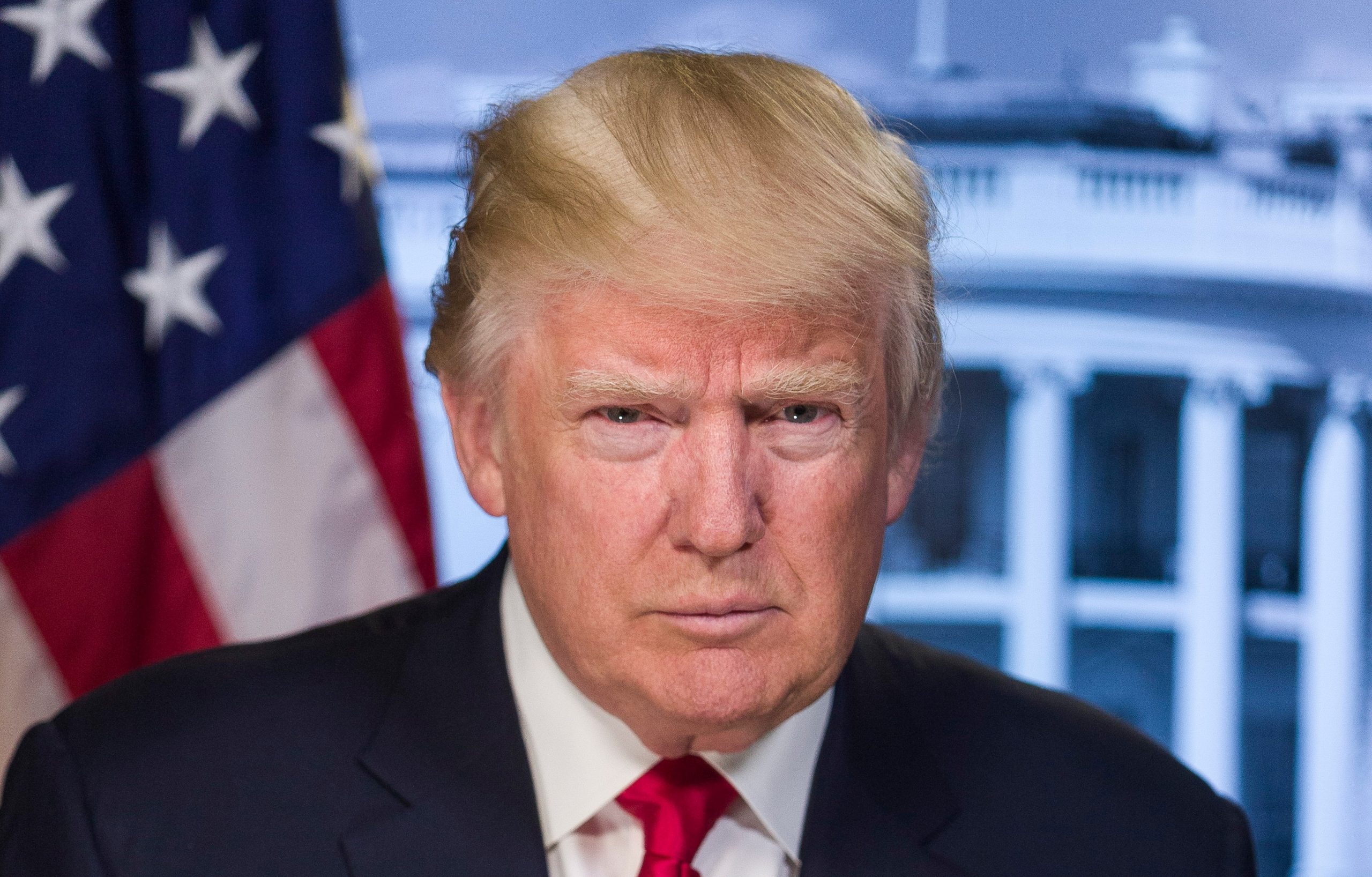
Western luxury fashion brands depend on Chinese social media platforms such as Tik Tok and WeChat for sales, advertising and communication. Donald Trump has signed two executive orders that will ban Chinese social media behemoths TikTok, owned by ByteDance, and WeChat, owned by Tencent, from operating in the United States. The only alternative to continue using them is if they are sold to a U.S. buyer by 21 September 2020. In early August 2020, Microsoft confirmed that it is in talks with ByteDance to acquire the U.S. operations of TikTok. A deal is expected to be finalised by 15 September.
Both executive orders cite national security and data privacy concerns, deeming that its collection of data on U.S. citizens could “potentially [allow] China to track the locations of Federal employees and contractors, build dossiers of personal information for blackmail, and conduct corporate espionage.”
Similar to American tech companies such as Facebook, ByteDance is reliant on the analysis of large amounts of user data to hone its products. There has been no evidence provided by U.S. officials that proves ByteDance has shared TikTok’s U.S. user data with the Chinese authorities, and the company has denied any allegations.
India Follows Suite
In June, India banned approximately 60 Chinese apps, including TikTok, after the country’s Ministry of Information said it posed a threat to national security. The ban came days after a violent border clash with China. Will countries in Europe be next?
The Rise of TikTok in the U.S.
TikTok has experienced enormous engagement among U.S. millennials and Gen-Z’s, with 100 million users in the U.S. alone and over 2.3 billion all-time downloads. ByteDance is currently the world’s most valuable tech start-up company, estimated to be worth more than $100 billion.
In light of the recent tension, TikTok has taken steps to distance itself from its Chinese roots. ByteDance has moved the storage of user data to the U.S. and Singapore from mainland China and have also appointed a new American CEO for TikTok, Kevin Mayer a former Disney executive. Is this simply window dressing? Think about the Chinese Huawei appointing Lord Browne as non-executive chairman of its UK division in 2015, in an effort to dismiss the concerns over the company’s corporate governance. His appointment was to no avail as pressure from the U.S. government resulted in the UK banning Huawei from its 5G telecom network in July 2020.
The Impact of the Ban
Trump’s order will have untold effects on the relations between China and the U.S. and may place many industries, including luxury fashion, in a vulnerable position. As China has claimed authority to censor web access by banning the apps Google, YouTube, and Facebook from operating in their country. By extension is it not fair to block Chinese apps in the U.S. even if there was no threat to national security? Does the United States now run the risk of other countries blocking U.S. firms on similar grounds? This scenario is unlikely given that so much of the global economy is linked to the World’s single Superpower.
ByteDance will be forced to extricate itself from the United States, its most lucrative market, if a buyer is not found within 45 days, causing potential hostility between American and Chinese tech companies.
Luxury Brands Depend on WeChat and TikTok
Luxury fashion brands depend on Chinese social media. Many luxury fashion brands are heavily reliant on TikTok and WeChat for promotion and marketing in mainland China. For example, in early August 2020, British luxury label Burberry partnered with Tencent for its one-of-a-kind ‘social retail store.’ Customers in Burberry’s Shenzhen flagship store can use WeChat to interact with the window display and play their own music in fitting rooms.
Burberry saw its sales plummet by 45% at the peak of the COVID-19 sales, although the brand claims that sales in mainland China are now higher than in the days before the coronavirus. BBC reports that Chinese customers account for around 40% of Burberry’s sales in mainland China. Given these 2 factors, maintaining an impeccable relationship with Tencent is critical for Burberry’s strategies in the region.
How will the Ban Impact International Luxury Fashion Brands?
The ban on TikTok immediately disrupts luxury brand strategies aiming at harnessing the power of the platform to target Gen-Z consumers. With technology and politics so closely intertwined, the modern luxury brand infrastructure that relies so heavily on digital platforms is left vulnerable to the strike of President Trump’s executive pen. Remember that luxury brands fashion depend on Chinese social media.
Many American brands are struggling so this adds to their woes. But why should European brands worry? Trump’s order is for U.S. operations so European brands such as Burberry, Gucci, Armani, Dior, Louis Vuitton, and the rest, will remain unscathed. Or will they? If the banking sector is anything to go by, whereby a company wanting to open a bank in the United States must adhere to American rules, then this may not be the case. The operation of luxury fashion brands in the U.S. may well be in jeopardy if they don’t follow in the footsteps of our beloved Donald Trump.
Post written by Holly Marshall